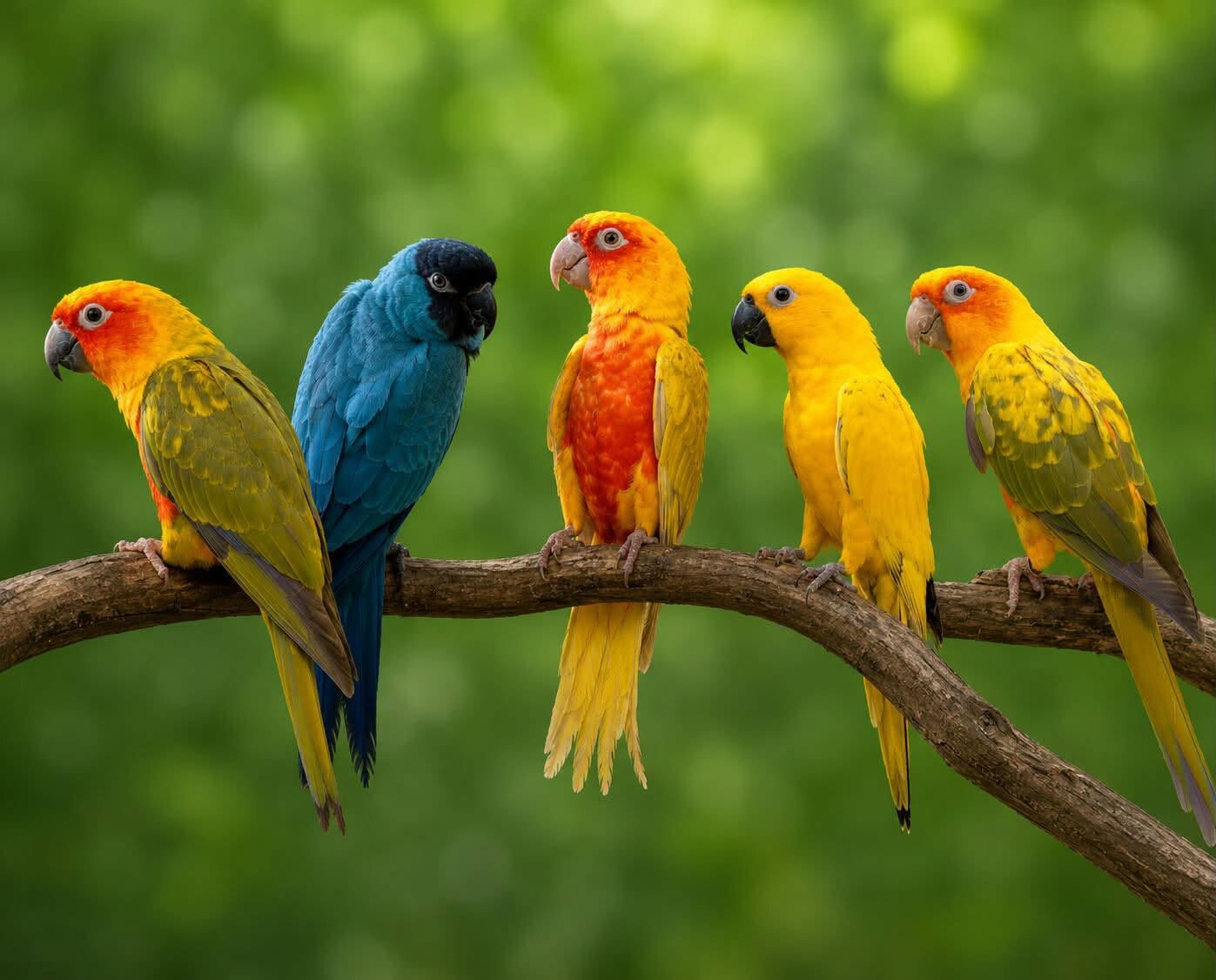
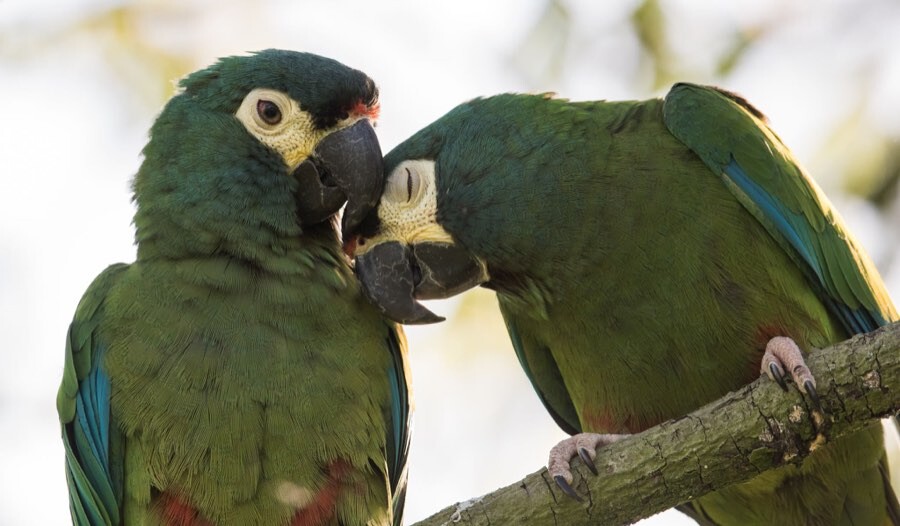
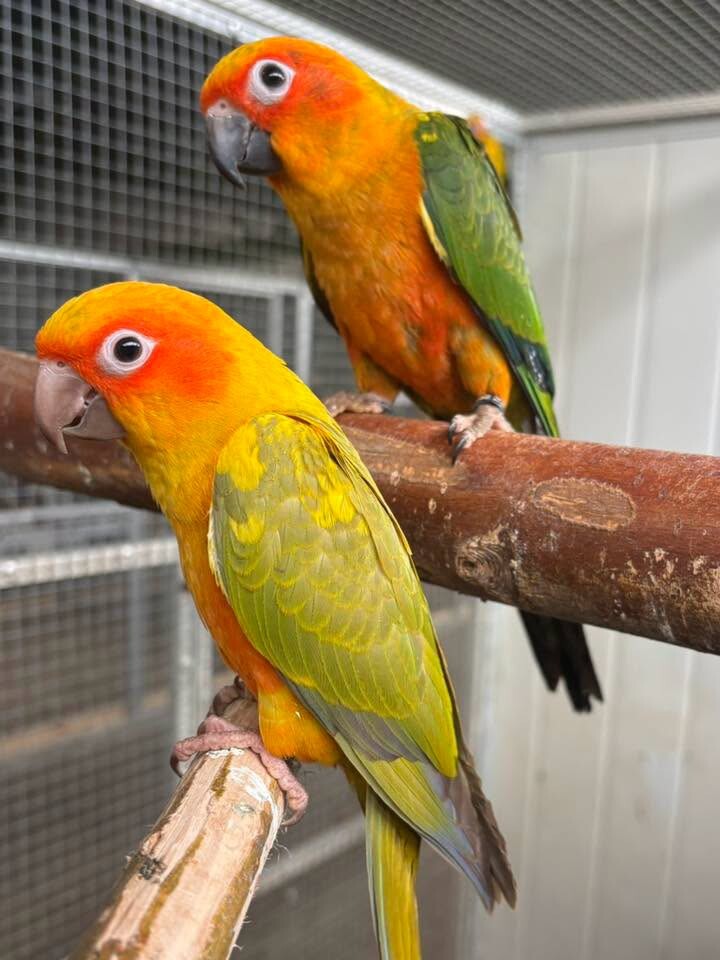
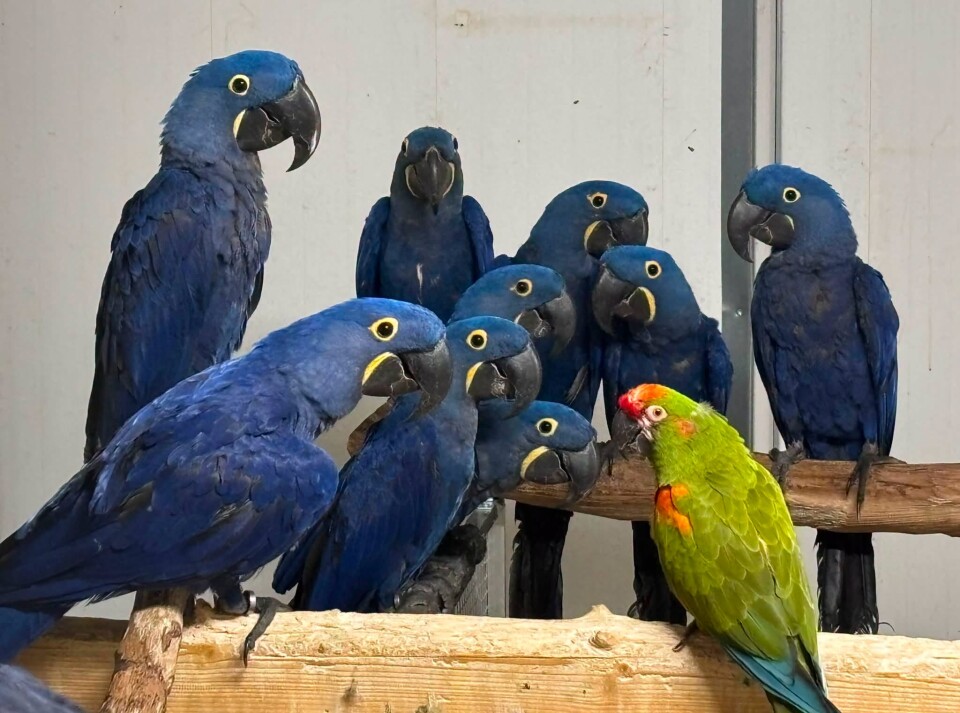
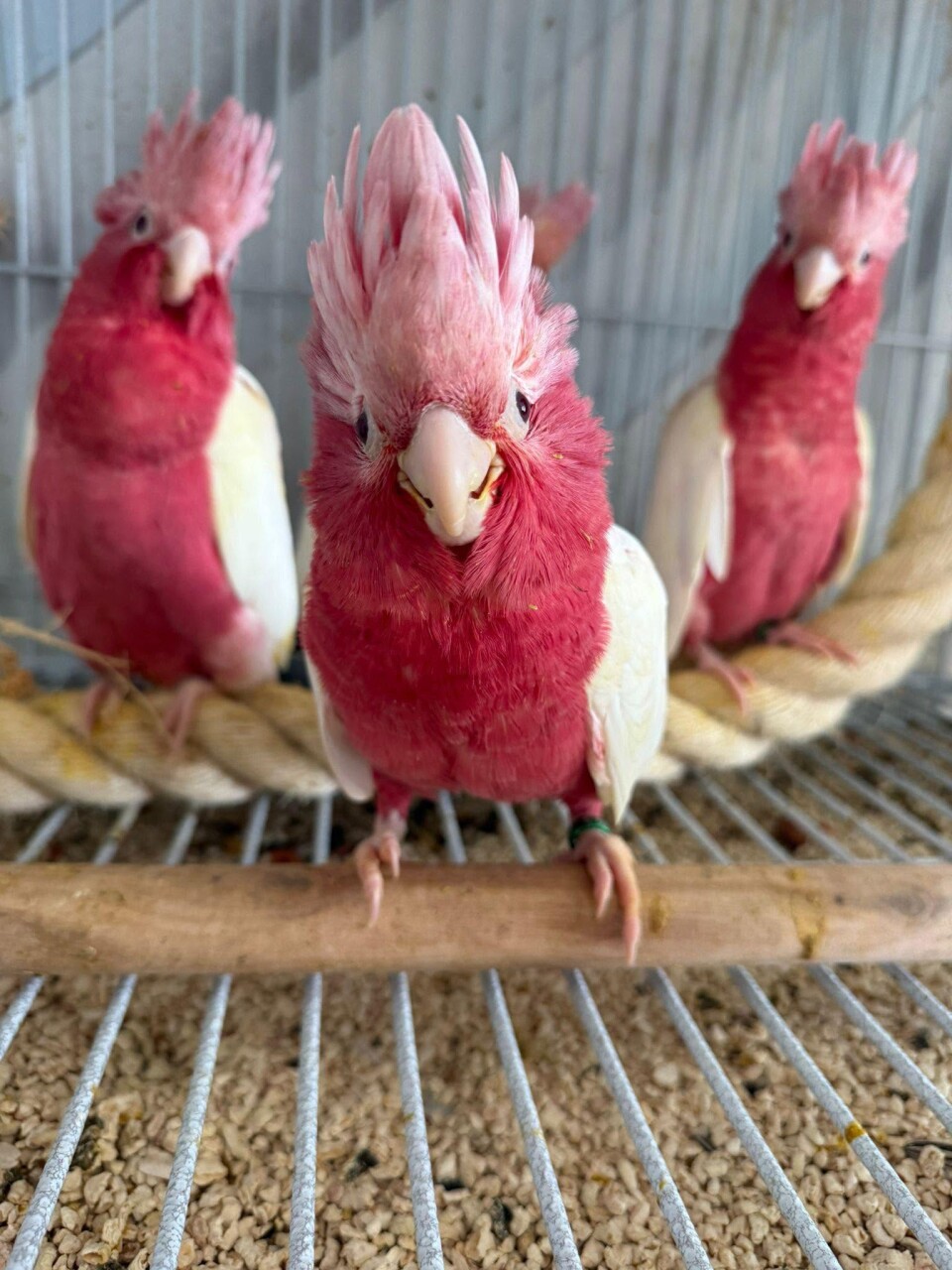
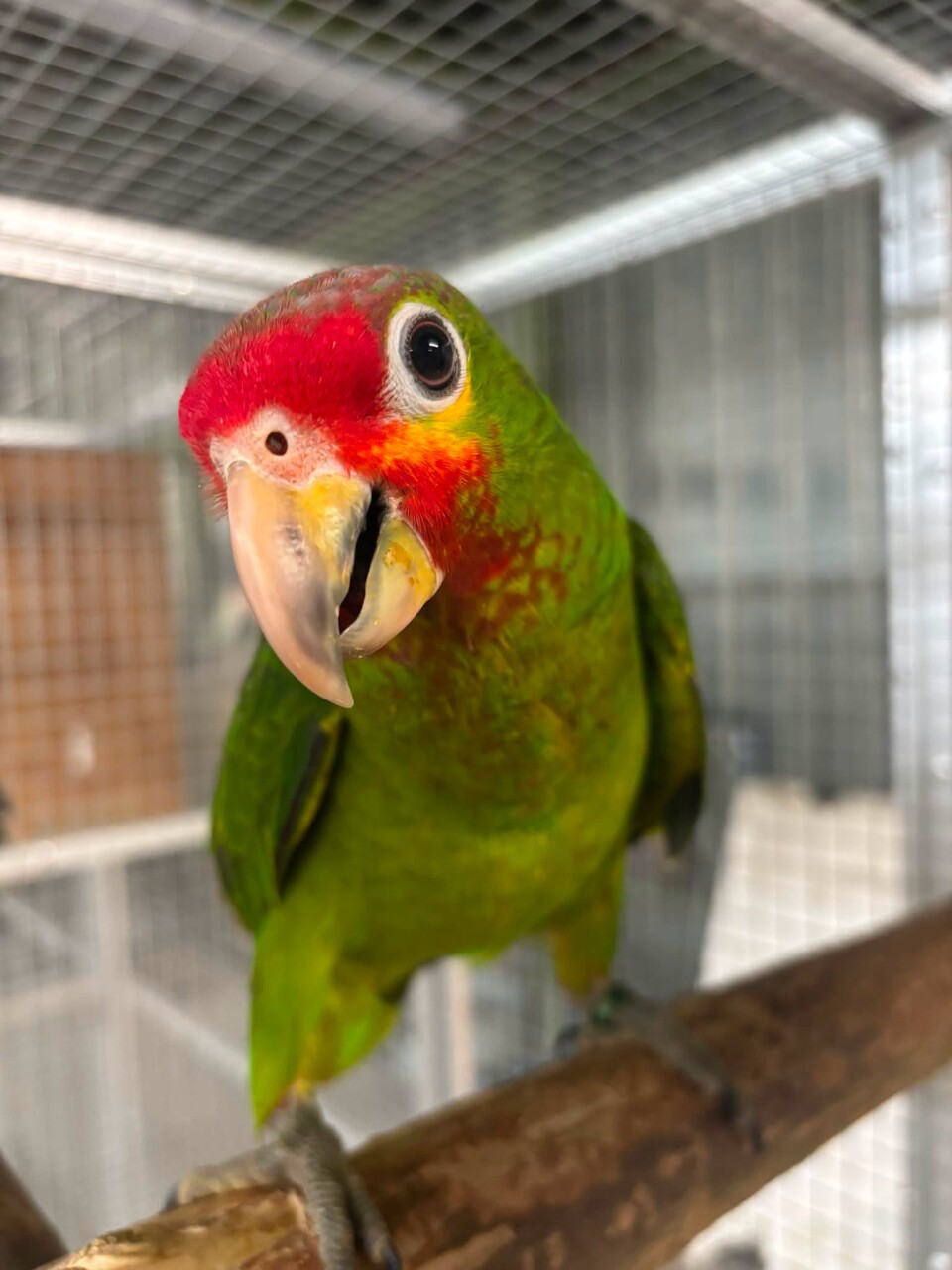
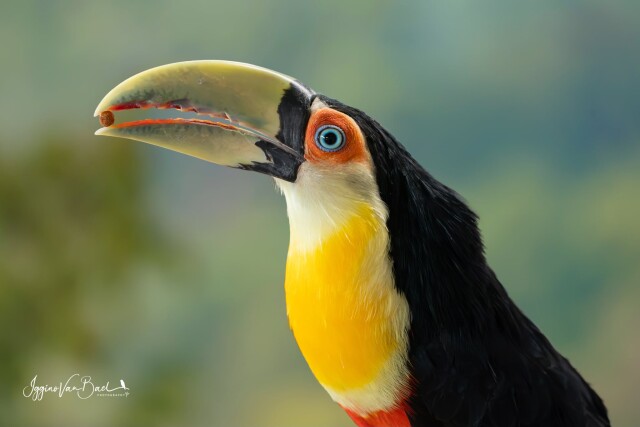
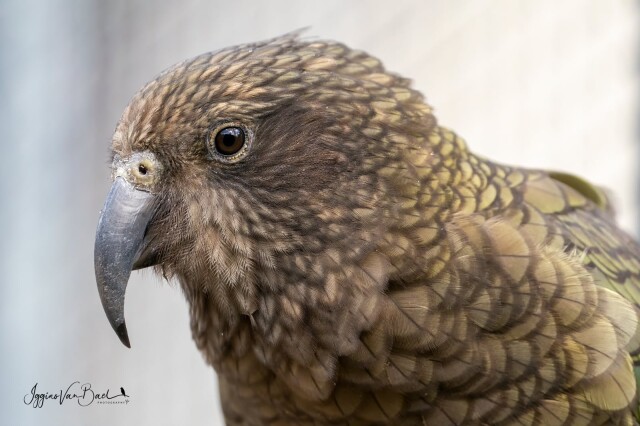
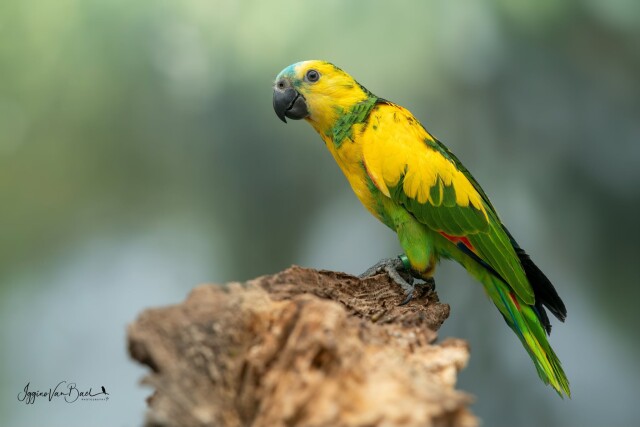
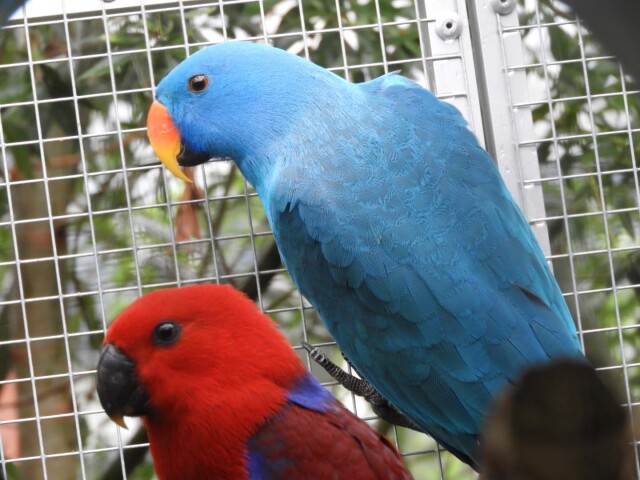
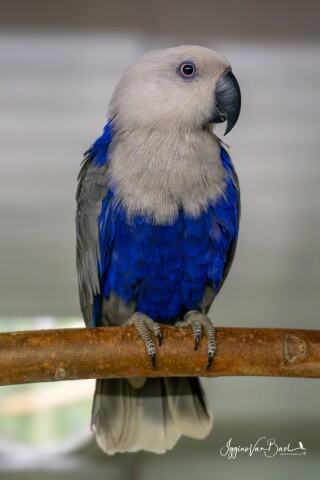
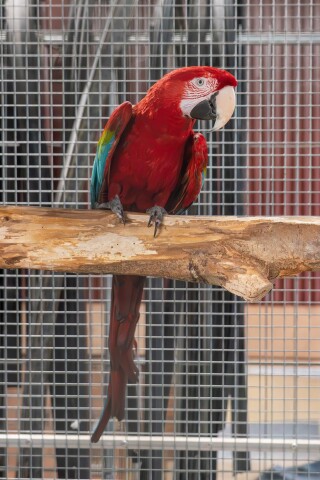
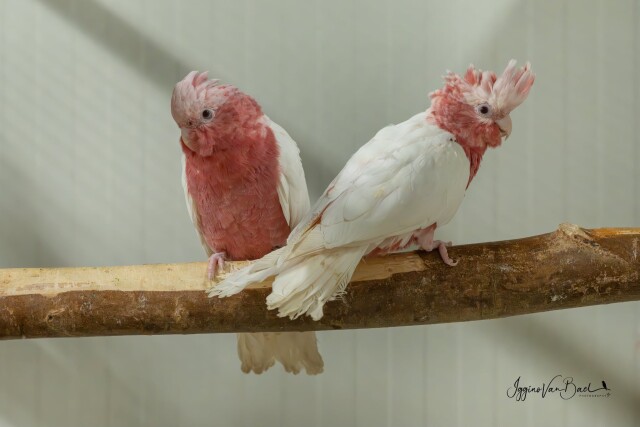
That is possible, but there is no guarantee that they will get along. Parrots are quite picky when it comes to choosing a partner. When possible, it is better to house several birds together so they can choose a partner themselves.
Keeping and breeding parrots and other psittacines is much more than just a hobby for us. It requires time, attention, and dedication every single day.
“Keeping and breeding parrots/parakeets can be an incredibly enjoyable hobby, but at the same time it is an activity that demands a lot from you, with tremendous highs and certainly also lows.”
“Breeding parrots and parakeets requires patience, knowledge, and daily dedication.
Keeping and breeding parrots/parakeets can be an incredibly enjoyable hobby, but at the same time, it is an activity that demands a lot from you, with tremendous highs and certainly also lows. At certain moments, I find myself thinking: why didn’t I just start collecting stamps? But as the saying goes, blood is thicker than water. And I wouldn’t know what to do with all my free time if I no longer had birds.
That doesn’t change the fact that it is an extremely demanding activity. It’s a hobby you can’t just put aside in a cupboard when you don’t have the time or feel like it. Day in, day out, these feathered noisemakers require care, food, water, a clean enclosure, new perches, and so on. But it’s also a pleasure, after a hard day’s work, to walk past all the aviaries, fill the bowls with fresh food and water, and enjoy these wonderful animals.
Personally, I get the most satisfaction from breeding parrots, and this is not so much about the financial gain, but more about the confirmation that the animals are doing well and that you can raise a large parrot from a small white egg and watch it grow up. But this is also an aspect where the highs and lows of the hobby are very close together.

For example, I can be absolutely delighted when an egg has been laid, and I can feel really down when, for instance, the chick is not cared for by the parent and ends up dead in the nest. This might also be why it has become a hobby for many—the excitement and the question: am I doing it right? Are they getting what they need? Will they incubate the eggs and raise the chicks successfully? Should I go check, or should I hand-raise the chicks? I don’t think they’re going to make it. As a breeder, even as an experienced breeder, you’re constantly full of questions and your brain is working overtime. Even when there are no eggs or chicks, you wonder: will the pair bond? Are they rejecting the nest box? Are they not sexually mature yet? Do they need different food? Is it too busy? And so on.
Below, I would like to list some of our own experiences. This is certainly not science, but purely experiences based on our own ideas, experiments, and tips and tricks we have picked up from fellow breeders. It’s also not guaranteed that everything will always work for someone else, but perhaps you can benefit from it if things aren’t going well.
Unfortunately, there are numerous reasons why parrots do not thrive in their natural habitat. Consider the disappearance of their environment, such as deforestation. Changes in climate, but also poaching and the deliberate eradication of birds because they damage farmers' crops.
On the other hand, many birds do very well in aviculture (bird keeping); for most species, we now know how to encourage adult parrots to breed, and we also know how to safely raise the young onto the perch.
Parrots are quite headstrong and will not simply accept any partner we present to them. The younger you put them together, the easier it can be. Although with some species you may have to wait a long time, I highly recommend that everyone form young pairs themselves and have patience until they reach sexual maturity.
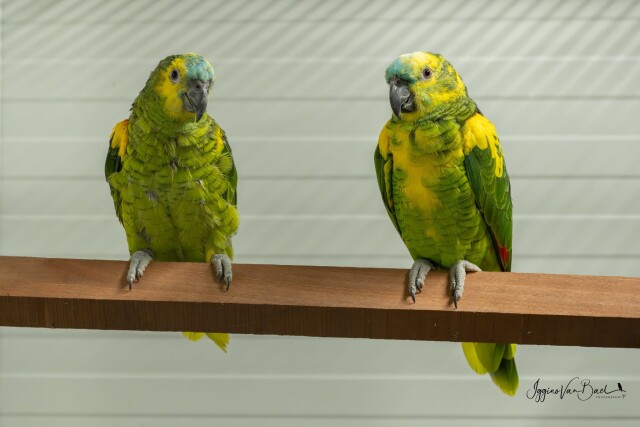
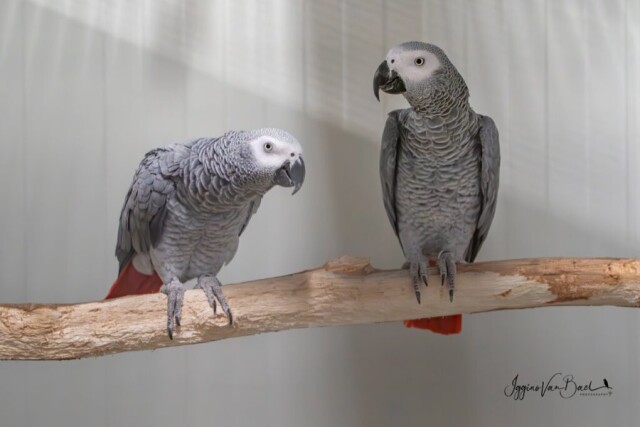
That is possible, but there is no guarantee that they will get along. Parrots are quite picky when it comes to choosing a partner. When possible, it is better to house several birds together so they can choose a partner themselves.
That can certainly help. In many species, males reach sexual maturity a bit later than females. Therefore, a slightly older male can be a good combination and increase the chances of a successful start.
Ideally, birds are paired at a young age so they can grow up together and get used to each other. It is important to take into account the age and the moment when both birds reach sexual maturity.
Breeding parakeets and parrots does not always go entirely smoothly. Even if you have managed to set up or acquire a harmonious pair, you still need to get them to the point where they will lay and incubate the eggs.
Foster parents provide a solution when a pair is unable to raise their young independently.
Young couples sometimes need time to properly develop their caregiving behavior.
A suitable foster parent is carefully selected based on species, size, and natural caregiving behavior.
Where possible, young birds prefer to grow up under the care and guidance of parent birds.
Discover useful tools such as nest box cameras that we use for the optimal care and monitoring of our birds.
Keep a close eye on the nests without disturbing them.
Ensure the perfect temperature and humidity.
Optimal nutrition for breeding and growth.