Are your birds hand-tame?
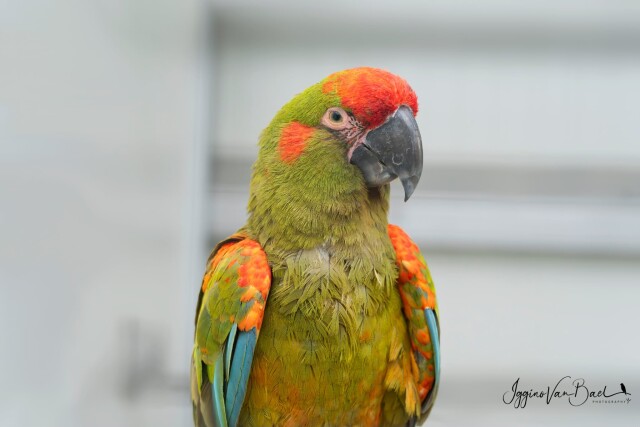
Most young birds are raised naturally by their parents. As a result, they are often not hand-tame. The aim is for the birds to grow up as naturally as possible and, above all, to be able to be birds.
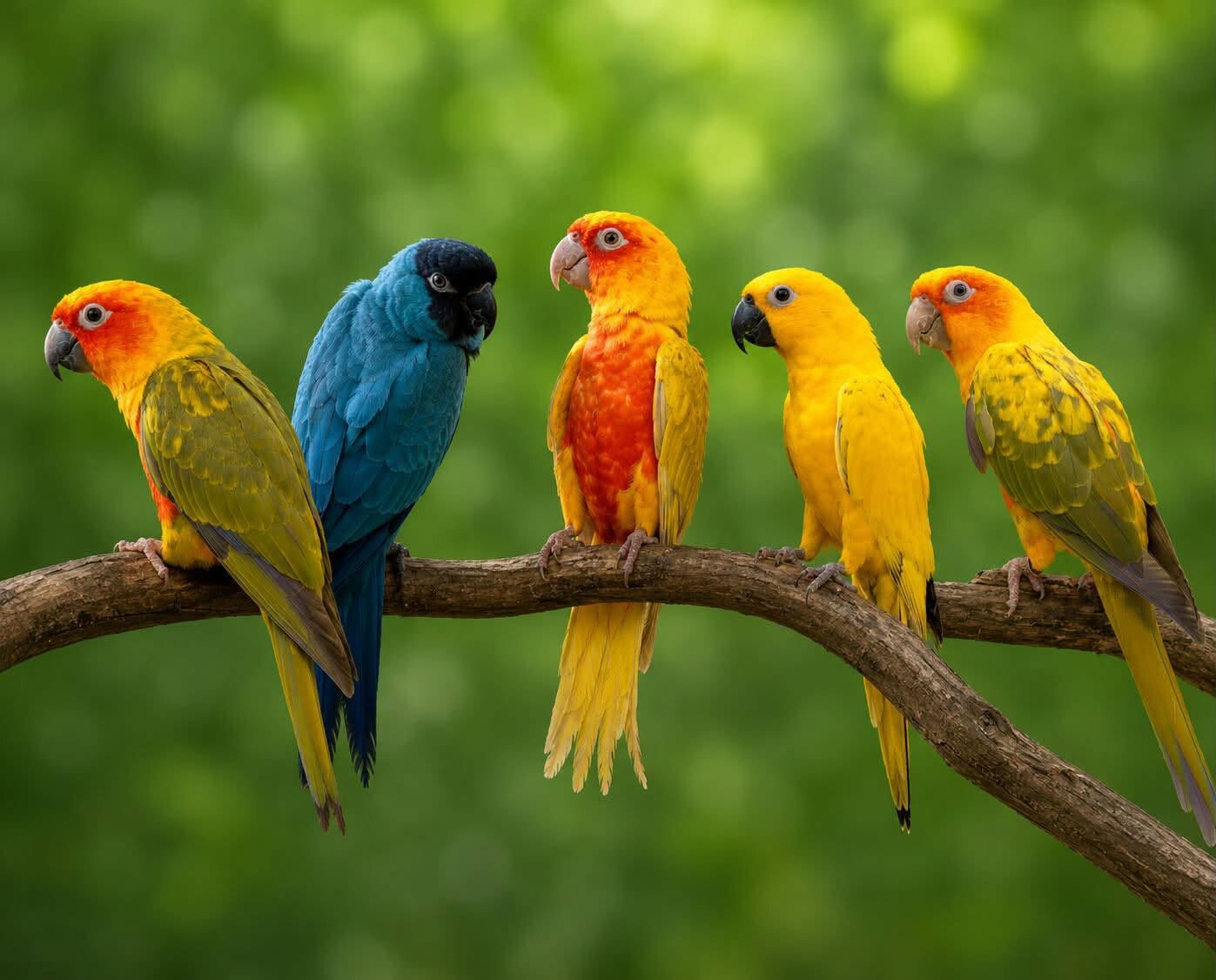
Unfortunately, there are numerous reasons why parrots do not thrive in their natural habitat. Consider, for example, the disappearance of their living environment due to deforestation.

“By breeding responsibly, we contribute to the preservation of special bird species and strong, healthy populations for future generations.”
Unfortunately, there are numerous reasons why parrots do not thrive in their natural habitat. Think of the disappearance of their environment, such as deforestation. Changes in climate, but also poaching and the deliberate extermination of birds because they damage farmers' crops. On the other hand, many birds do very well in aviculture (bird keeping); for most species, we now know how to stimulate adult parrots to breed, and we also know how to safely raise the young onto the perch. In some ways, this is a good thing, as it ensures the survival of species. But at the same time, breeders often use this same argument when people ask whether it is cruel to keep birds in cages or aviaries.
Firstly, some breeders will say that these animals do not know any better because they were born in captivity. As a second argument, it is often stated that this way, species will continue to exist and will not become extinct in the wild.
I have always looked at it this way myself, and I still (partly) agree with it. However, I would like to add some nuance, as I think that in many situations things can be improved and we should focus more on finding ways for a bird to truly lead a dignified life. I am convinced that this is possible! It is difficult to measure, but with enough space, companions or an equivalent partner, good nutrition, sunlight, and new toys from time to time, I believe a parrot can be very content and may even experience less stress than its wild counterpart. I am convinced that we have set up our collection in good conscience with these points in mind, but I increasingly feel that we can do more when it comes to species conservation and keeping parrots around us.
Purely because I always used to say that species could continue to exist, precisely because I bred them, I now want to dedicate myself more to the conservation of species in the wild. And now actually make a difference, instead of just talking about it. Ideally, I would do this by, for example, releasing young, captive-bred birds back into their original habitat. But this is not practical at all from the Netherlands (Europe) and costs unnecessarily large amounts of money. Fortunately, I am not the only one who feels this way, and there is a project in America to reintroduce certain species; they have (almost) all the resources, knowledge, and energy to do this. The only thing missing is money. Personally, I don’t get much satisfaction from just giving money, but it does actually help to support the conservation of species.
The first organization I want to help is that of Chris Biro and his team. I first met the American Chris in 2018 during a Freeflight Seminar, and in the days that followed, we talked together about this subject. Chris’s organization is relatively small, but it is one that really makes a difference.
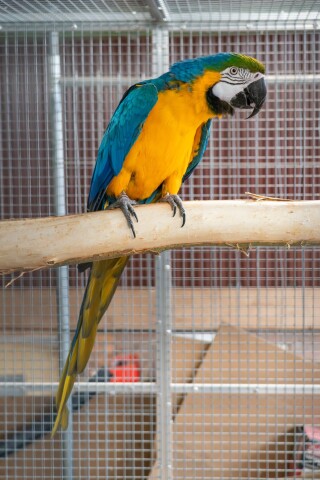
"In the article about the Blue-and-yellow Macaw, I already mentioned a project they are currently working on (2022). There are now 5 young Blue-and-yellow Macaws being prepared for a life in their original habitat!"
Do you have a question about our birds, working method, or current selection? Here you will find the answers to some frequently asked questions. Can't find your question? Feel free to contact us.
Most young birds are raised naturally by their parents. As a result, they are often not hand-tame. The aim is for the birds to grow up as naturally as possible and, above all, to be able to be birds.
The birds offered come from tested stocks and have been screened for the known parrot diseases. The young birds are also sexed. Additional tests are possible upon consultation.
The current selection is listed on the website. For more information about availability, prices, or a specific bird, you can contact us directly at: 0641361182
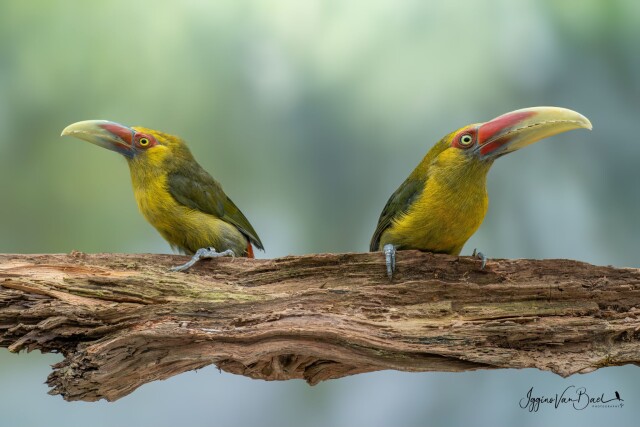
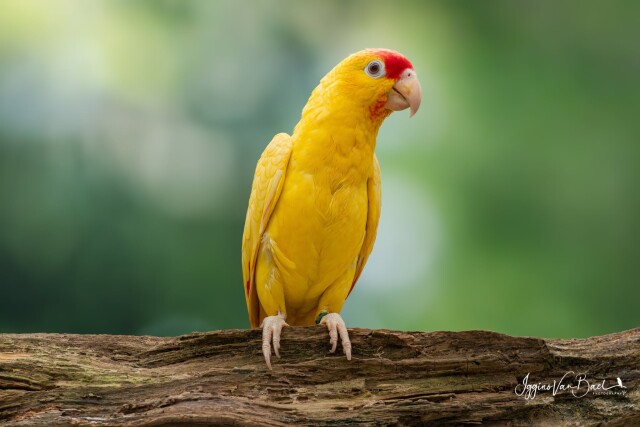
Our birds grow up as they should: with space to fly, companions of their own kind around them, and parents who raise them themselves.
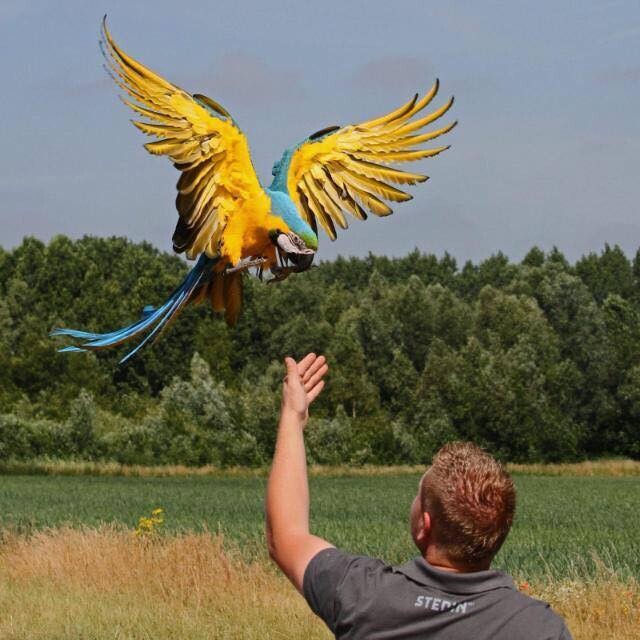
Outdoor runs with their own night shelter. Wings are meant to be used.
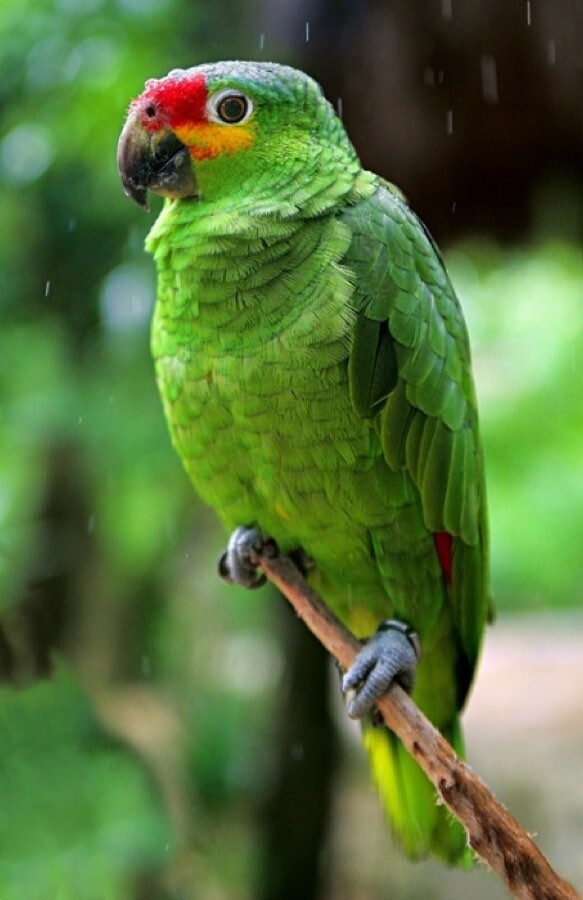
Our boys are raised by their own parents, not by hand.
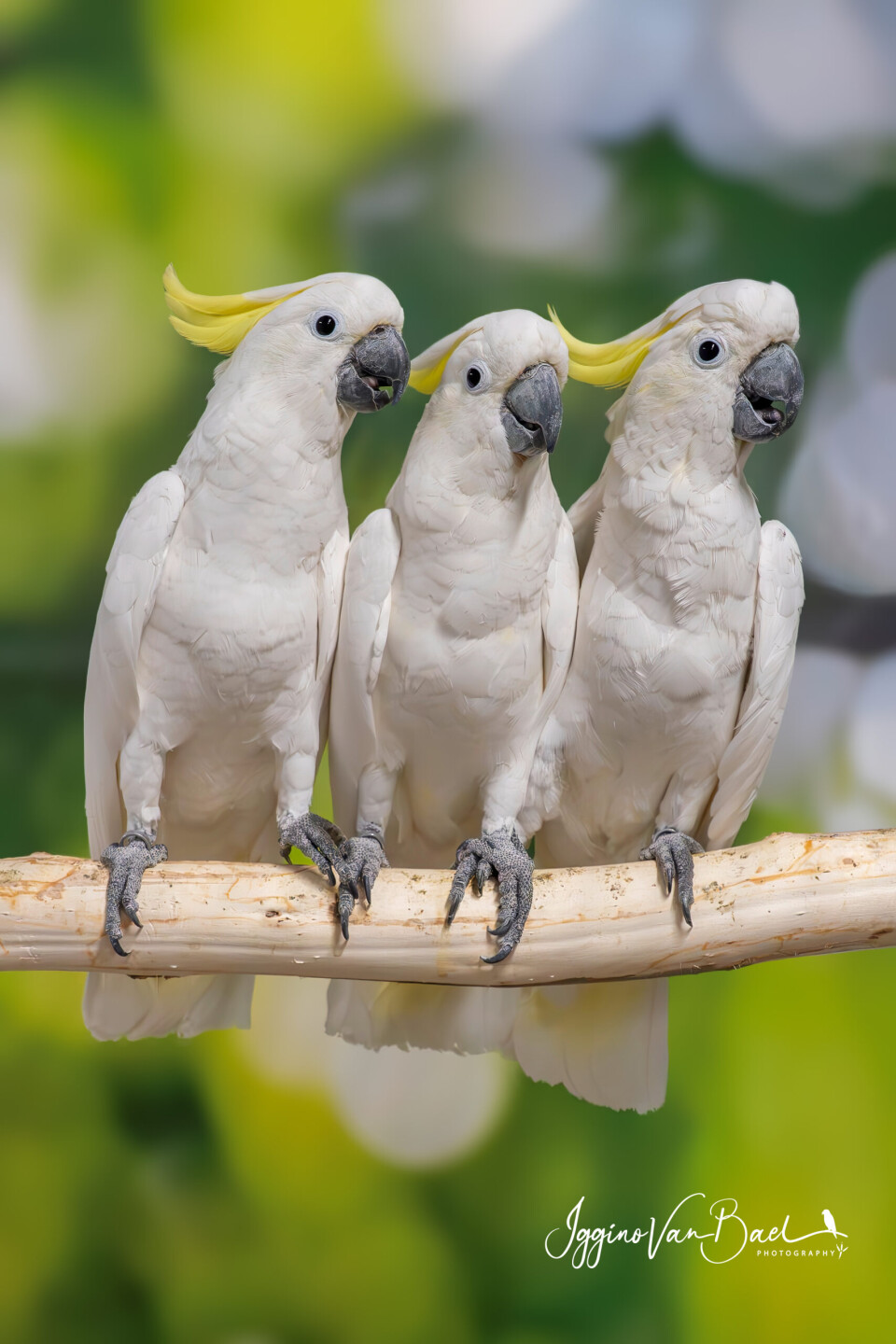
Each bird is with an equivalent partner or among its peers.
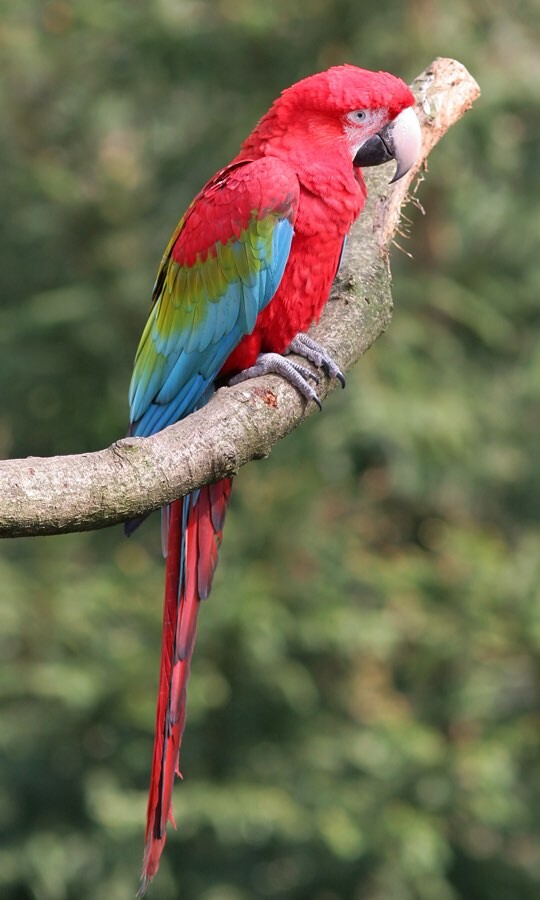
Feeding schedules, fresh food daily, and plenty of daylight.
Our aim is to let birds grow up naturally with their parents, so in many cases we only sell parent-raised birds that are not hand-tame (and are unlikely to become so).
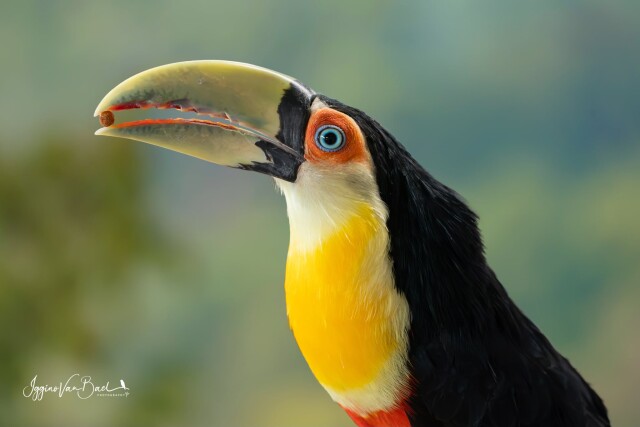
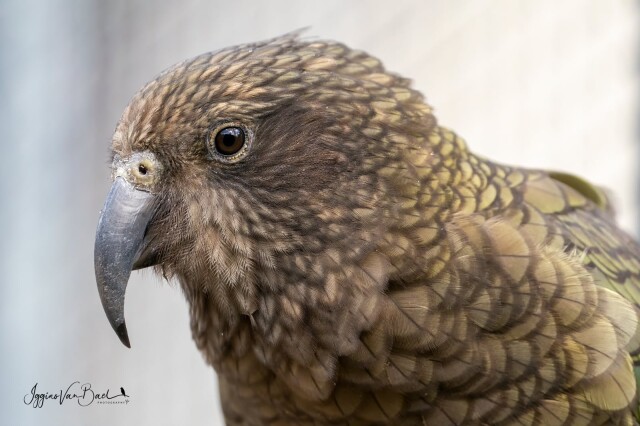
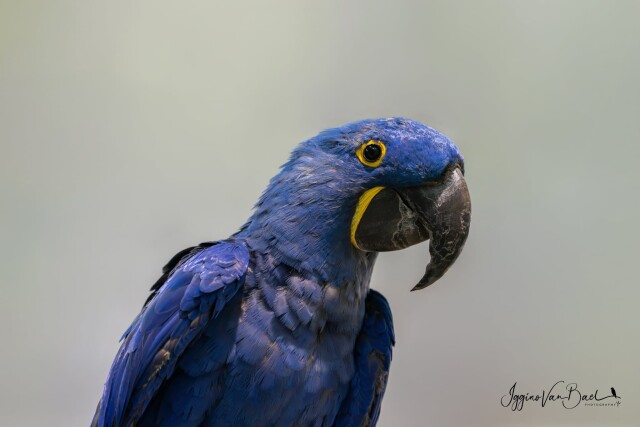
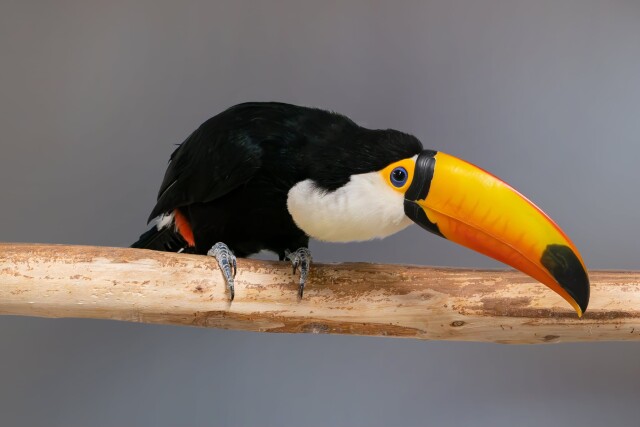
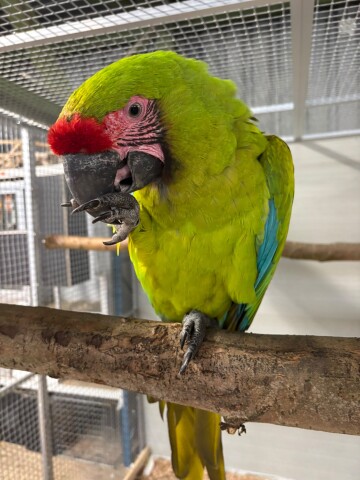
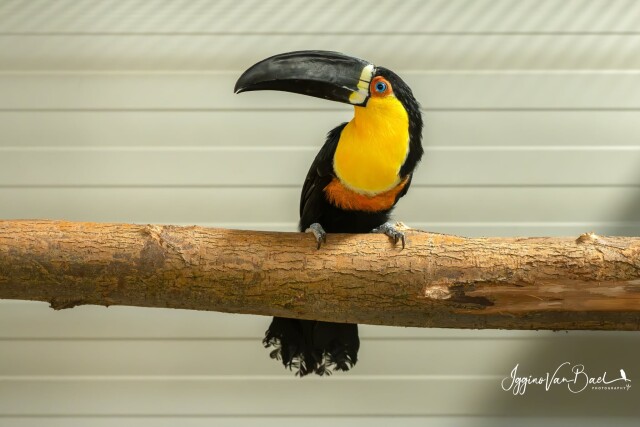
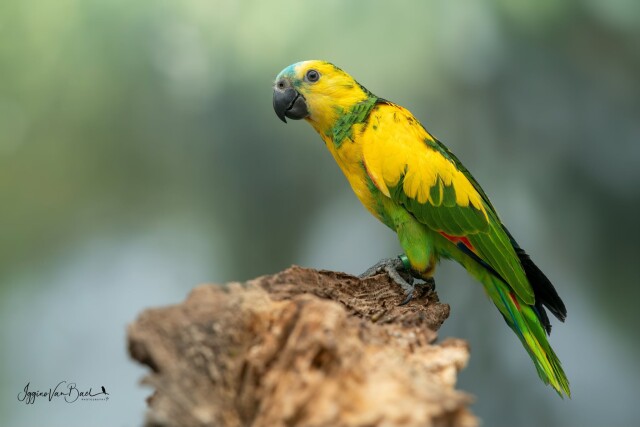
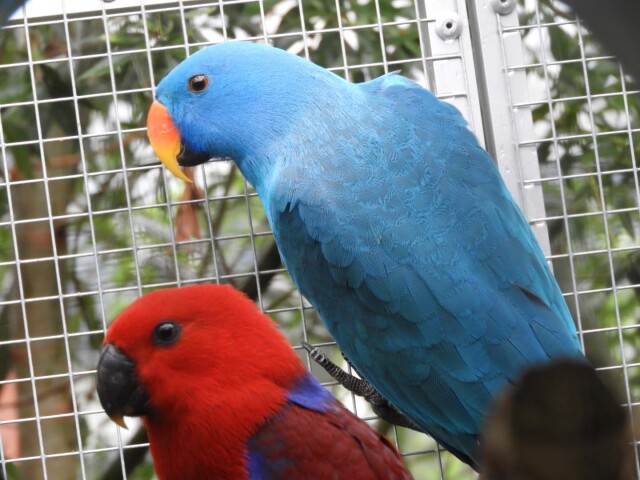
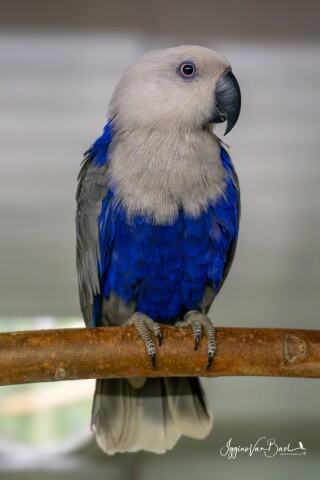
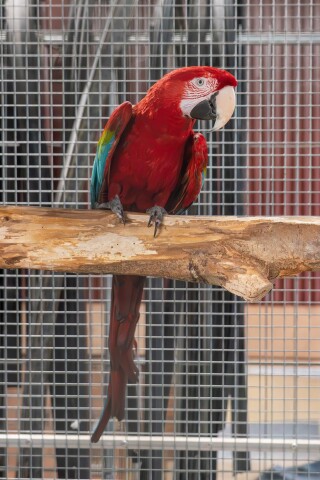
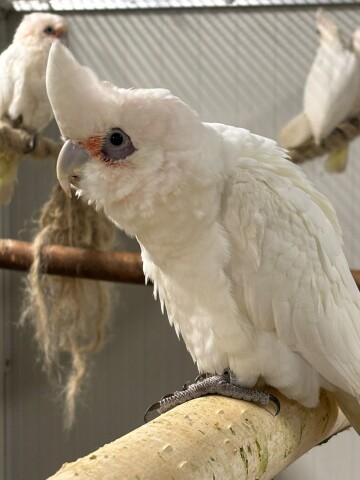
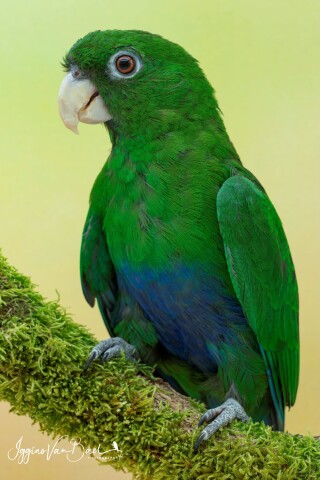
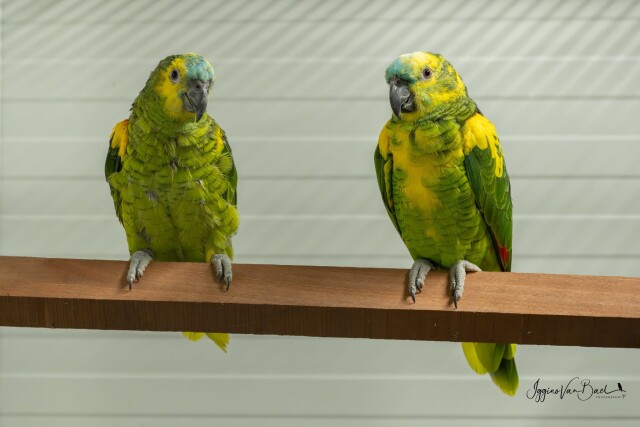
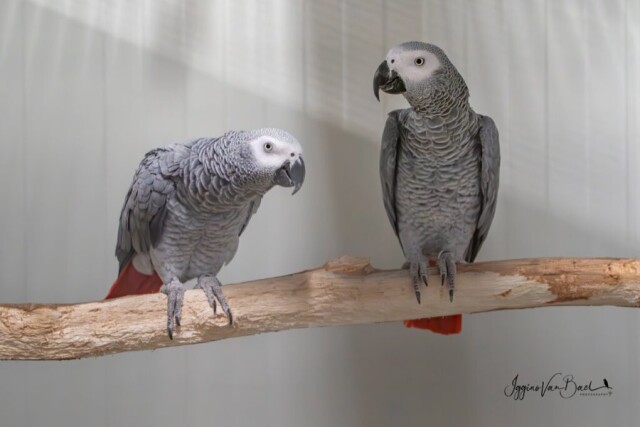
Discover useful tools such as nest box cameras that we use for the optimal care and monitoring of our birds.

Keep a close eye on the nests without disturbing them.

Ensure the perfect temperature and humidity.

Optimal nutrition for breeding and growth.