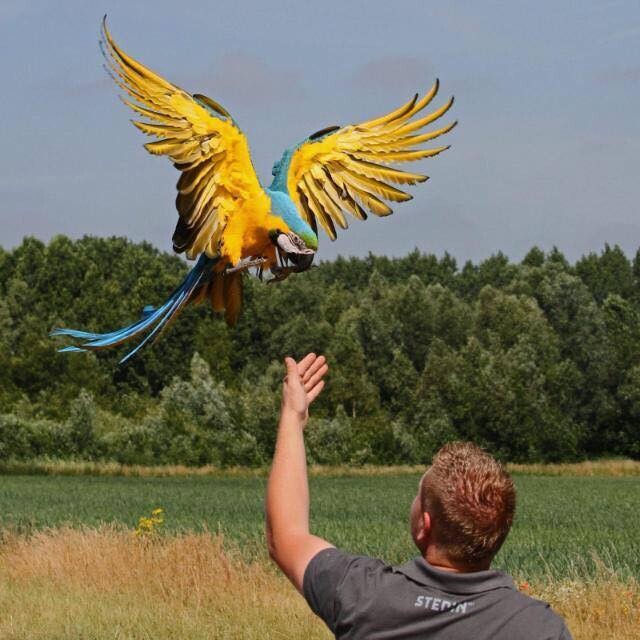
Room to fly
Outdoor runs with their own night shelter. Wings are meant to be used.

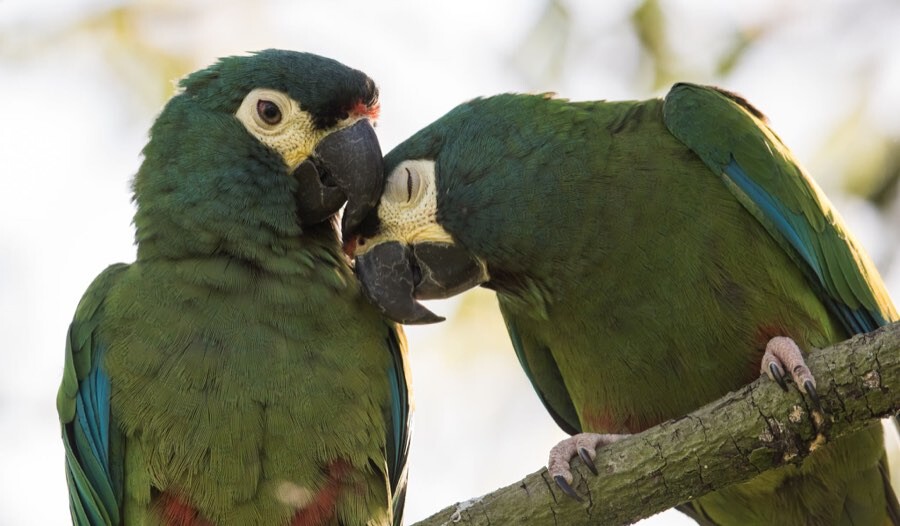
A successful breeding pair starts with a good match, the right timing, and above all, a lot of patience. By taking age, development, and natural behavior into account, you create a stronger foundation for healthy and successful breeding.

“I can highly recommend to everyone to pair up young couples yourself and to be patient until they reach sexual maturity."
Parrots are quite headstrong and do not just accept any partner we present to them. The younger you put them together, the easier it can be. Although with some species you have to wait a very long time, I highly recommend everyone to pair up young couples themselves and have patience until they are sexually mature. I have learned to look for males that are just a bit older than the females; we now keep about a one-year age difference. In many cases, males simply need longer to become sexually mature, and while this is not a big problem, you also don’t want too many disappointments with infertile eggs, and you certainly don’t want frustrated females. On the other hand, you also don’t want much older males constantly chasing after females that are not yet ready to breed just to be able to mate. In short, you already have quite a bit of influence when it comes to a successful start with a new pair. That’s why I am convinced that the first experiences for a pair can be decisive for a successful breeding career.
You can also choose to pair two older birds together; sometimes you get a match right away. However, there is just as much chance that they won’t get along at all and you’ll have to look for another partner. The best thing you can do in this case is simply buy several breeding-ready birds and place them together in a large aviary at once, so they can choose their own partner.
A final option is to buy a proven pair: in the case of South American parrots, this is a good idea, but I would advise against it when it comes to African species. We have experienced several times ourselves that we bought a 100% proven pair that never laid another egg. So always ask yourself why someone is selling a good pair.
Our birds grow up as they should: with space to fly, companions of their own kind around them, and parents who raise them themselves.
Outdoor runs with their own night shelter. Wings are meant to be used.
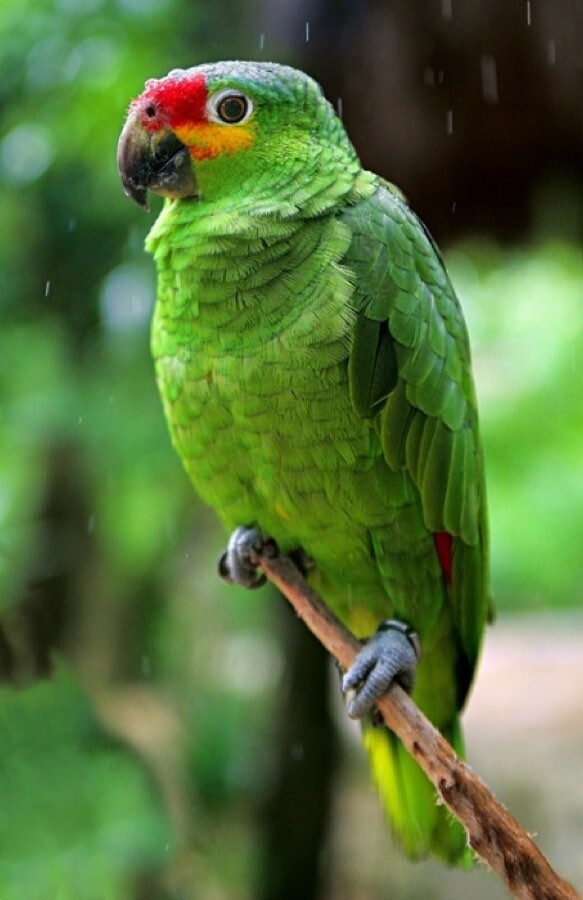
Our boys are raised by their own parents, not by hand.
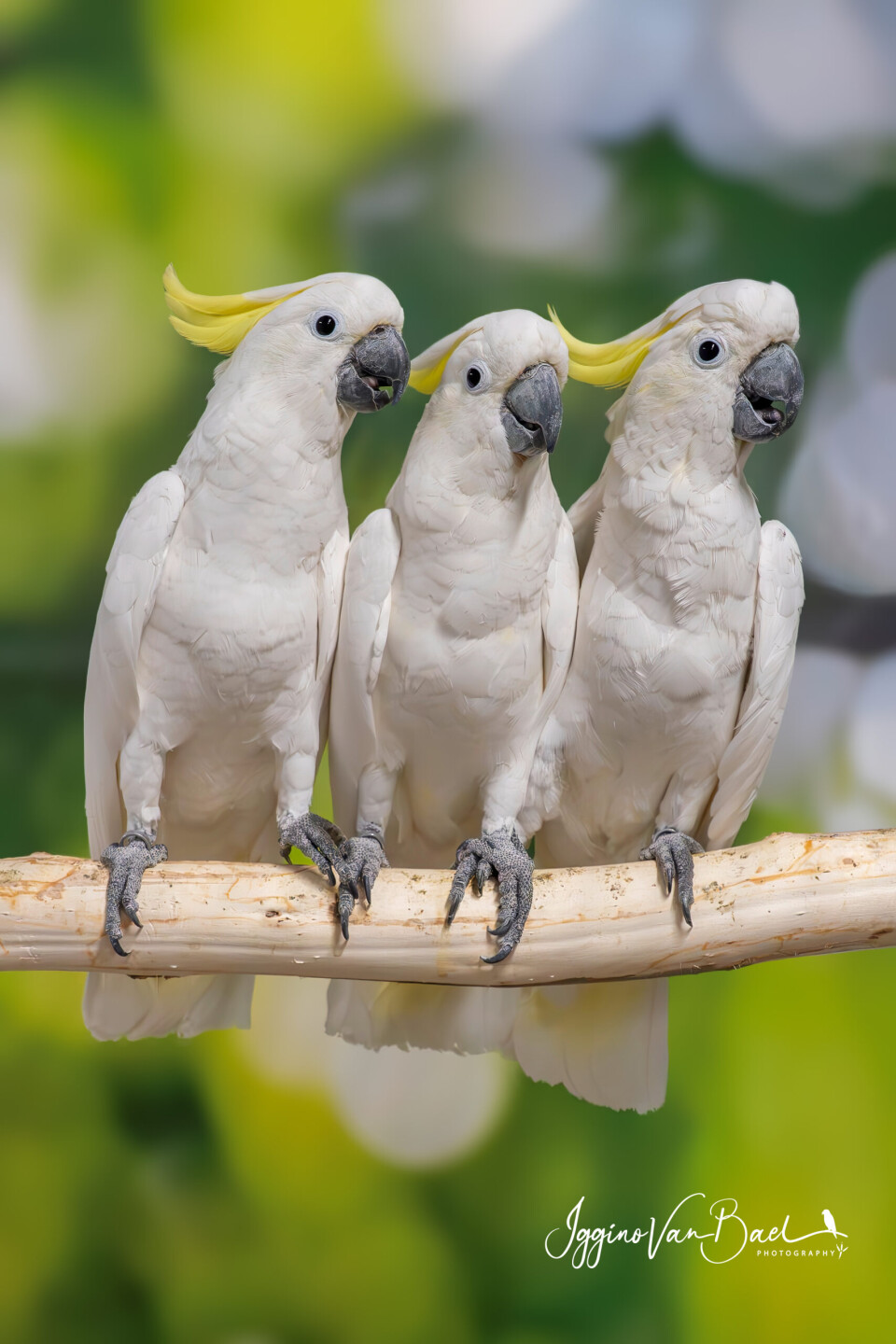
Each bird is with an equivalent partner or among its peers.
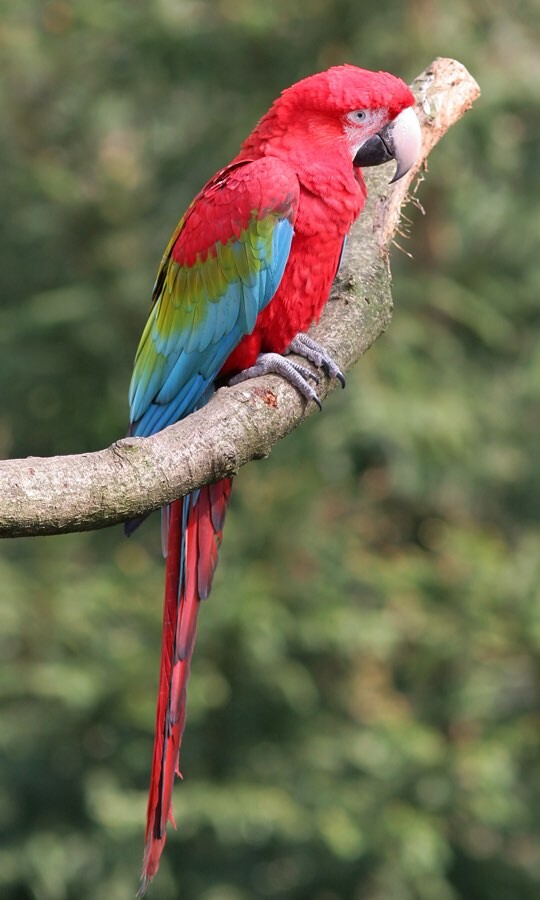
Feeding schedules, fresh food daily, and plenty of daylight.
Our aim is to let birds grow up naturally with their parents, so in many cases we only sell parent-raised birds that are not hand-tame (and are unlikely to become so).

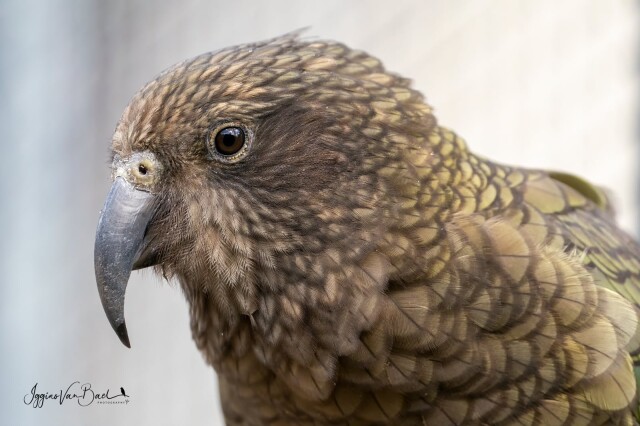

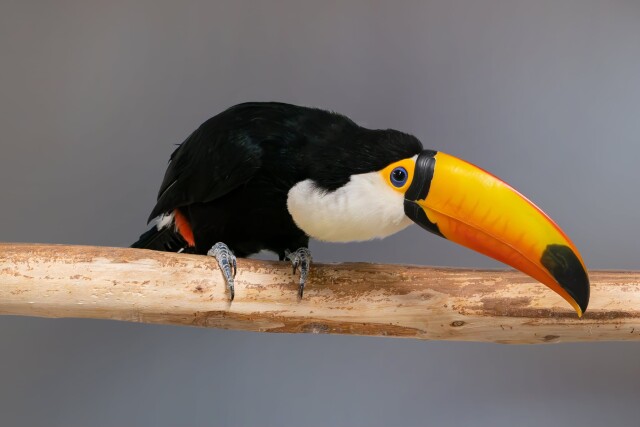
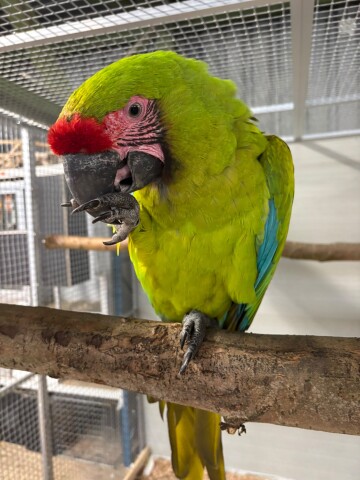




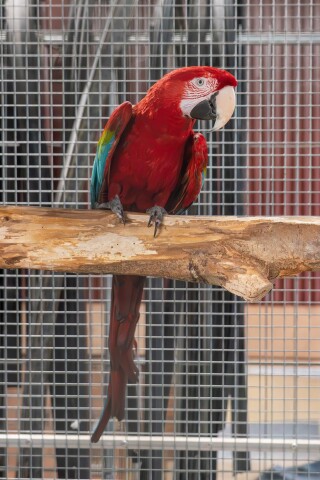
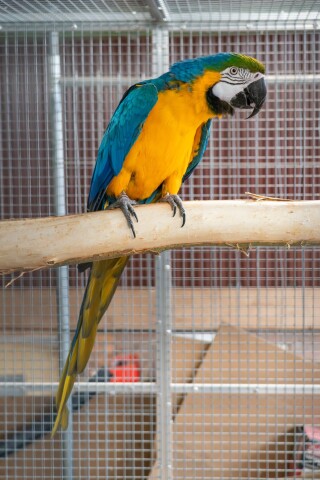
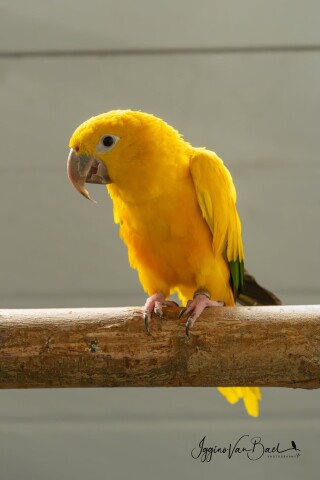
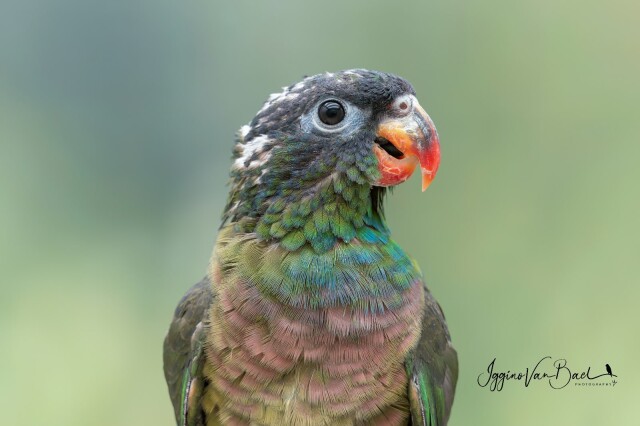

Discover useful tools such as nest box cameras that we use for the optimal care and monitoring of our birds.

Keep a close eye on the nests without disturbing them.

Ensure the perfect temperature and humidity.

Optimal nutrition for breeding and growth.